Sustainability
A sustainable redevelopment
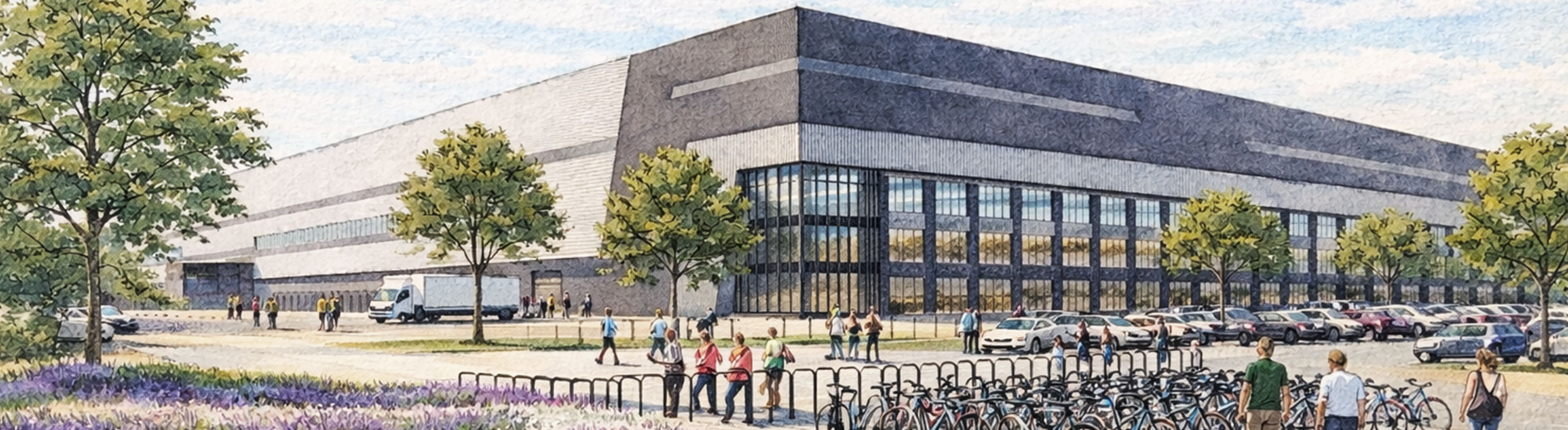
We are committed to delivering a high-quality redevelopment that supports local jobs and investment while meeting high standards of sustainable development.
The former Coca-Cola site is a previously developed industrial site within an established employment area. Its regeneration presents an opportunity to modernise outdated facilities, improve environmental performance and enhance biodiversity, while securing long-term economic benefits for the local area.
This project reflects our commitment to building responsibly for the future, creating a development that works for businesses, communities and the environment.

Energy-efficient
Designed for the future
Our proposals focus on delivering highly energy-efficient industrial and logistics buildings designed to reduce operational carbon emissions and energy demand. The buildings will incorporate:
- Energy-efficient building fabric and insulation.
- High-performance glazing and lighting systems.
- Smart energy management systems.
- Rooftop solar panels, where feasible.
- Electric vehicle charging infrastructure.
By integrating renewable energy technologies and efficient design solutions, we aim to reduce reliance on fossil fuels and support the transition to a lower-carbon economy. Sustainable construction methods and responsible material selection will be prioritised throughout the build process.
Together, these measures will help ensure the development performs efficiently in operation while supporting wider climate objectives.

Biodiversity
Native species landscaping and habitats for wildlife
Sustainability also means carefully considering how redevelopment affects wildlife and the natural environment. The western part of the site currently contains areas of scrub and trees, while the eastern portion is largely hardstanding and former industrial buildings. The site overlaps with the Coca-Cola Field Potential Wildlife Site and detailed ecological assessments are being undertaken. As part of our proposals, we are:
- Delivering a 10% biodiversity net gain in line with national policy.
- Creating new habitats through planting and landscape design.
- Incorporating green infrastructure across the site.
- Providing sustainable drainage features such as swales that support biodiversity.
Where necessary, off-site biodiversity enhancements will complement on-site habitat creation. A comprehensive landscape strategy will introduce new tree planting, native species landscaping and ecological enhancements designed to strengthen local biodiversity over the long term.

Energy-efficient
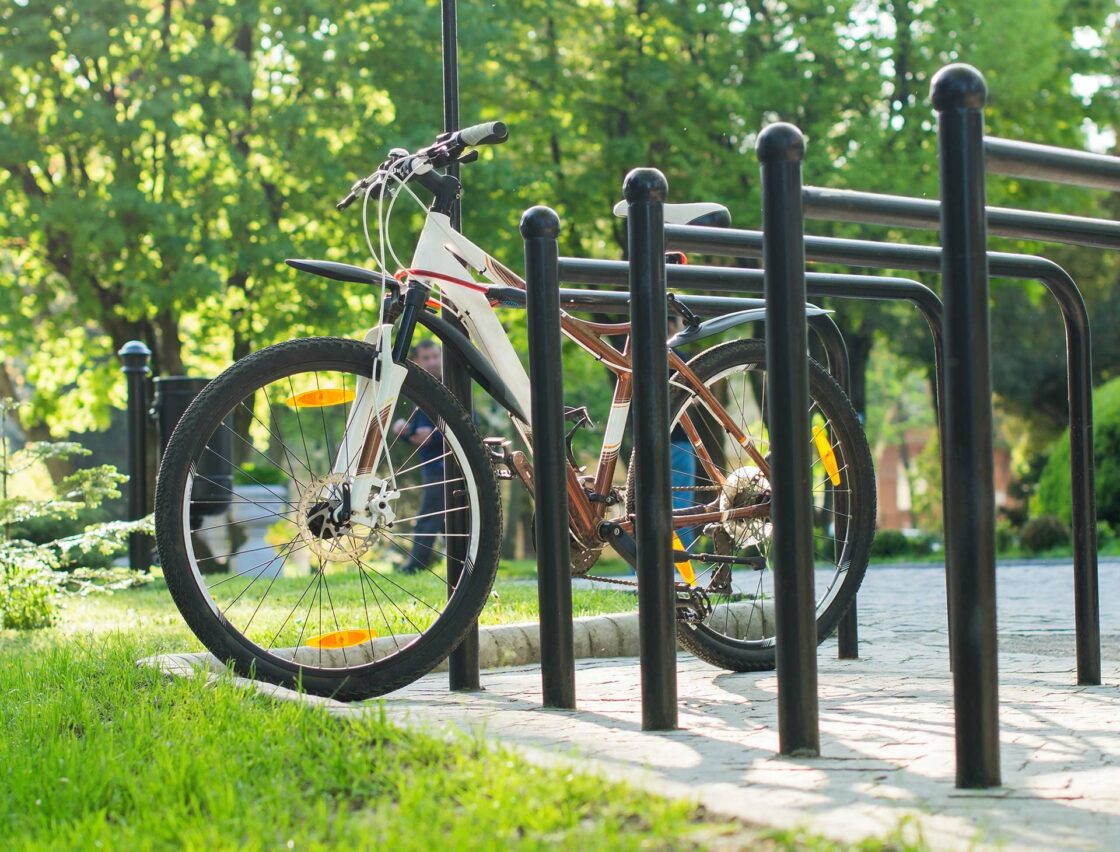
Supporting active travel
The site is well connected to the strategic road network, including the A45, A428 and M1. In addition, we are promoting sustainable travel measures such as:
- Improved pedestrian and cycle connections.
- Secure cycle parking facilities.
- Electric vehicle charging points.
- Exploration of shuttle bus services.
A Transport Assessment and Framework Travel Plan will accompany the application, helping to encourage sustainable commuting patterns.